


Protecting OnlyFans Login Access Across Multiple Devices
OnlyFans operates across phones, tablets, and computers, making consistent security a genuine challenge for subscribers who access content on multiple devices throughout their day. BestOnlyFans analysis shows that cross-device account protection requires understanding how sessions persist, where credentials store, and what happens when access patterns shift unexpectedly. This guide addresses the practical mechanics of securing your OnlyFans login across every device you own or borrow, moving beyond basic password advice to examine session architecture and active management. BestOnlyFans refreshes its rankings every month.
Every device carries distinct risk profiles based on ownership, sharing patterns, and physical security. A personal phone held constantly differs substantially from a family tablet left on a living room table. Understanding these distinctions helps prioritize protection efforts where they matter most.
The platform’s payment system itself creates additional security considerations. With subscriptions starting at $4.99 monthly and premium tiers reaching $49.99, plus PPV messages up to $50 and tips to $100, financial exposure from compromised access extends beyond mere content viewing. Free pages set to $0 still process tips and paid messages through the same infrastructure, making verification holds and payment methods equally sensitive.

Understanding OnlyFans Session Architecture
OnlyFans handles device recognition through persistent cookies and mobile app tokens that remember trusted equipment. Web sessions in browsers rely on encrypted session identifiers stored locally, while mobile apps maintain parallel authentication states through device-specific keys. These mechanisms enable convenience but create distributed security exposure.
Session expiration varies by platform and activity. Mobile apps typically maintain longer persistence, refreshing tokens silently in background processes. Browser sessions may persist for weeks on trusted devices unless manually terminated. Two-factor authentication adds a verification layer but does not automatically expire existing sessions when enabled.
| Session Element | Behavior | User Control |
|---|---|---|
| Web browser sessions | Persist via encrypted cookies until logout or expiration | Manual logout, browser cookie clearing, or remote termination |
| Mobile app sessions | Background token refresh maintains persistent access | In-app logout, app data clearing, or device removal |
| Remembered device status | Reduces authentication frequency on familiar equipment | Revoke via security settings to force re-verification |
| Two-factor authentication | Required at login but does not terminate active sessions | Session termination must happen separately from 2FA changes |
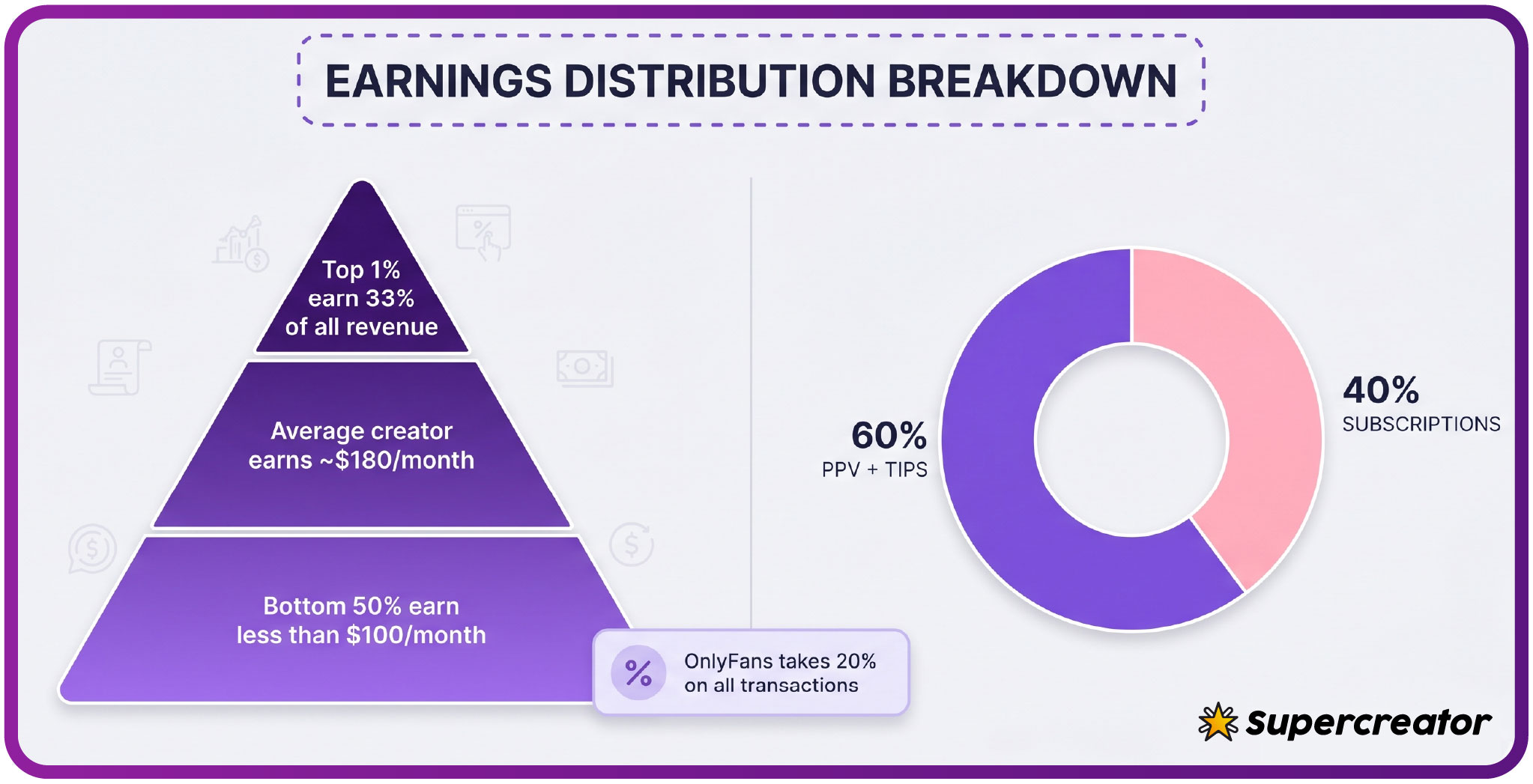
The platform takes 20% of all transactions while creators retain 80%, which means financial records accumulate significantly for active subscribers. Session compromise risks extend beyond content access to payment history visibility and potential unauthorized spending through stored payment methods. Device recognition creates particular exposure: once marked as trusted, a device bypasses additional verification for extended periods. This convenience trade-off means stolen trusted devices grant immediate access without authentication challenges.
The Device Inventory Every Subscriber Needs
Before implementing specific protections, catalog every device with current or potential OnlyFans access. Most subscribers underestimate their exposure by forgetting secondary equipment, shared household technology, or devices used temporarily during travel.
- Primary personal phone: your constant companion with highest access frequency
- Personal computer: desktop or laptop used regularly for browsing
- Shared household devices: family tablets, smart displays, or computers with multiple users
- Travel or secondary equipment: work devices, borrowed phones, hotel computers, or emergency backup devices
Each category demands distinct security approaches based on physical control, user isolation, and sensitivity of the environment. Personal phones allow strong biometric protections; shared tablets require session discipline and privacy screens; borrowed devices should never store credentials.

Securing Mobile Sessions on Personal Phones
Smartphones present unique security characteristics: exceptional physical control offset by notification visibility, app switching exposure, and frequent unlock scenarios. The mobile app provides the smoothest experience but requires specific configuration to prevent accidental content exposure.
- Biometric app lock enabled: requires fingerprint or face recognition for app access even when phone is unlocked
- Notification content hidden: prevents message previews from displaying sensitive sender information
- Screenshot restrictions understood: creator content may trigger platform protections; respect these boundaries
- Browser private mode preference: use incognito browsing if accessing via mobile web rather than app
- OS-level security patches current: vulnerabilities in Android or iOS may expose app data regardless of app security
Mobile browsing deserves particular attention. Many subscribers use mobile browsers rather than the dedicated app, often without realizing that browser password saving creates persistent credential storage separate from the app’s authentication flow.
BestOnlyFans methodology incorporates cross-device risk assessment into its onlyfans model ranking criteria, recognizing that subscriber security practices influence platform ecosystem health. The ranking system at onlyfans model ranking evaluates creator accessibility alongside subscriber protection standards.
Managing Desktop and Laptop Access Safely
Desktop environments introduce browser-based risks absent from mobile apps: password manager integration, session persistence across browser restarts, and physical screen visibility in shared spaces. Computers also see more multi-user scenarios through family accounts or workplace equipment.
- Password manager use without browser saving: dedicated managers store credentials securely; avoid browser-native password storage
- Private browsing for sessions: incognito or private windows prevent history, cookies, and cache retention
- Manual logout before closing: session cookies may persist otherwise, allowing resumed access on next browser launch
- Screen lock on unattended devices: brief absences create exposure windows for physical access
Shared computers require extreme caution. Hotel business centers, library terminals, and friends’ laptops should never receive credential entry. If emergency access proves necessary, use browser private modes and ensure complete logout and browser closure.

Tablet and Secondary Device Considerations
Tablets occupy a middle ground between phone portability and desktop screen size, often leading to security oversight. Their typical use patterns—shared household consumption, bedside browsing, or travel entertainment—create distinct exposure profiles.
- Family iPads with profile sharing: Apple and Android family accounts may sync browsing data across household members
- Work laptops with personal browsing: employer device management may monitor traffic or retain remote access to installed applications
- Hotel business center computers: public equipment with unknown software state and potential keyloggers
- Borrowed devices for emergency access: temporary use that tempts credential saving for convenience
Secondary phones present similar risks. Many subscribers maintain older devices as backups without applying equivalent security rigor. These forgotten devices often retain active sessions and stored passwords, creating hidden access points.
Critical warning: Never use “remember me” or password saving on any device you do not exclusively own and physically secure. The 30 seconds saved typing credentials creates permanent exposure until manually revoked.

Active Session Monitoring and Termination
OnlyFans provides limited native session visibility compared to platforms like Google or Facebook. Understanding where to find session information and how to terminate access remotely proves essential for rapid response to device loss or unauthorized access suspicion.
| Access Method | Where to Find Sessions | Termination Speed |
|---|---|---|
| Web browser settings menu | Account > Security > Active Sessions | Immediate upon confirmation |
| Mobile app security section | Profile > Settings > Security | Immediate with biometric confirmation |
| Email notification responses | Security alert emails contain direct revocation links | Delayed by email delivery but accessible from any device |
Session termination does not automatically trigger password changes—this requires separate action. Many subscribers mistakenly believe logout resolves all exposure; persistent authentication tokens may remain valid in certain scenarios until explicit revocation.
Regular session review, perhaps monthly, identifies forgotten devices and unexpected access patterns. Unfamiliar locations or device types appearing in session lists indicate credential compromise requiring immediate password rotation.
Recovery Planning for Compromised Device Scenarios
Rapid response capability distinguishes manageable incidents from lasting compromise. Establish recovery procedures before device loss occurs, when stress and urgency impair decision-making.
- Terminate all sessions from another device: use remaining trusted equipment to invalidate access on the lost device
- Change password from trusted equipment: never reuse previous passwords; generate fresh credentials via password manager
- Review recent login activity for unauthorized access: check transaction history and content access logs for unrecognized activity
The $0.10 card verification hold, refunded within days, serves as an early indicator of payment method testing. Unexplained small charges often precede larger unauthorized transactions.
Free page subscribers face equivalent session risks despite $0 subscription pricing. Payment methods stored for tips and PPV purchases create identical financial exposure. The platform’s 20% fee structure applies to all monetized interactions regardless of base subscription price.

Consider creator-side implications of your security practices. Unauthorized account access that generates chargebacks or disputes affects creator revenue through the 80/20 split structure. Responsible subscriber security supports sustainable creator economics.
FAQ
How can I see which devices are logged into my OnlyFans account?
Access the Security section through Account Settings on web or Profile Settings in the mobile app. Active Sessions displays recognized devices with approximate last access times. The interface shows device type and browser or app identification but not precise location data. Email security notifications also enumerate recent access points when new devices authenticate.
Will logging out on my phone affect my computer session?
Standard logout terminates only the current session on the specific device used. Other active sessions on computers, tablets, or secondary phones remain valid. To terminate all simultaneous access, use the “Log Out of All Devices” option in Security Settings rather than standard logout. This distinction matters for rapid response scenarios.
What happens if someone finds my phone with OnlyFans logged in?
Without additional protections, finder gains full account access including content library, payment methods, and messaging capabilities. Biometric app locks prevent this scenario by requiring separate authentication. Remote session termination from another device remains possible if you retain account credentials. Immediate password change follows any physical device compromise regardless of apparent access barriers.
How quickly should I act if I lose a device with saved credentials?
Within minutes if the device was unlocked or biometric protections were disabled. Active session termination and password change should precede other concerns. The platform lacks automated suspicious activity blocking based on device changes alone. Delayed response, even hours, permits sufficient time for content access, message sending, and payment method exploitation. Treat lost unlocked devices as active compromises requiring immediate response.


